
Annette Abreu
Co-founder · Chief of Integrity
Annette builds our community and partnerships, making sure the people behind the Macs have a voice.
The world is racing to build new data centers for AI. We think there’s a better place to start: the Macs already sitting on our desks.
Those Macs can help businesses translate documents, review code and get other AI work done. You choose when yours joins in.
Once a customer’s payment clears, we set aside 50% of the money available to share for the Mac owners who helped do the work. We want the people powering AI to share in what it earns.
“Before we build more, let’s make better use of what we already have.”
— Annette Abreu · Co-founder · Chief of Integrity
Annette Abreu and Ollie Hawkins met on the road more than six years ago.
Co-founder · Chief of Integrity
Annette builds our community and partnerships, making sure the people behind the Macs have a voice.

Co-founder · Mad Scientist
Ollie builds and tests the software that gets those Macs working together.
How a battery idea and the cost of cloud AI led to a network built around people’s Macs.
The first idea
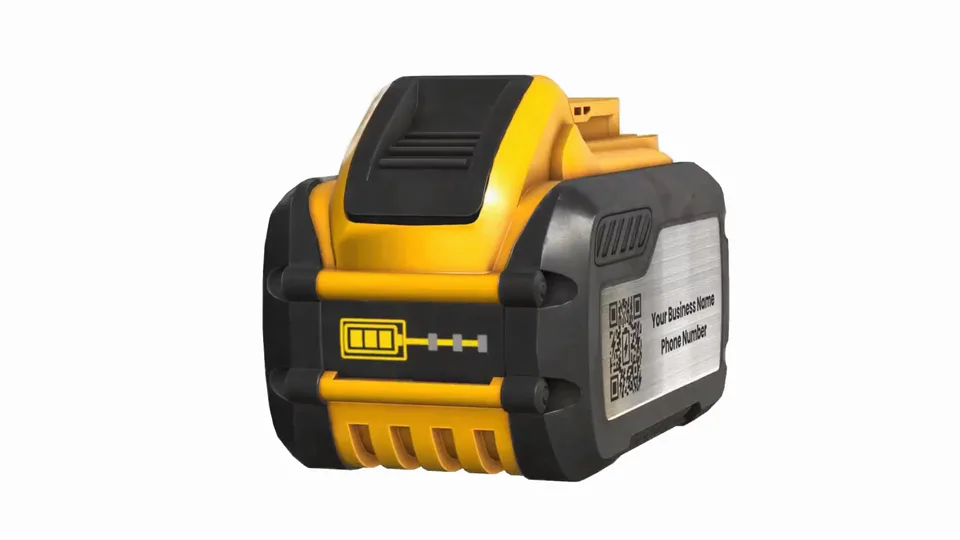
We started with an idea for a power-tool battery that would become useless if stolen. We named its software assistant Lithi, a play on lithium. The battery project didn’t last, but the name did.
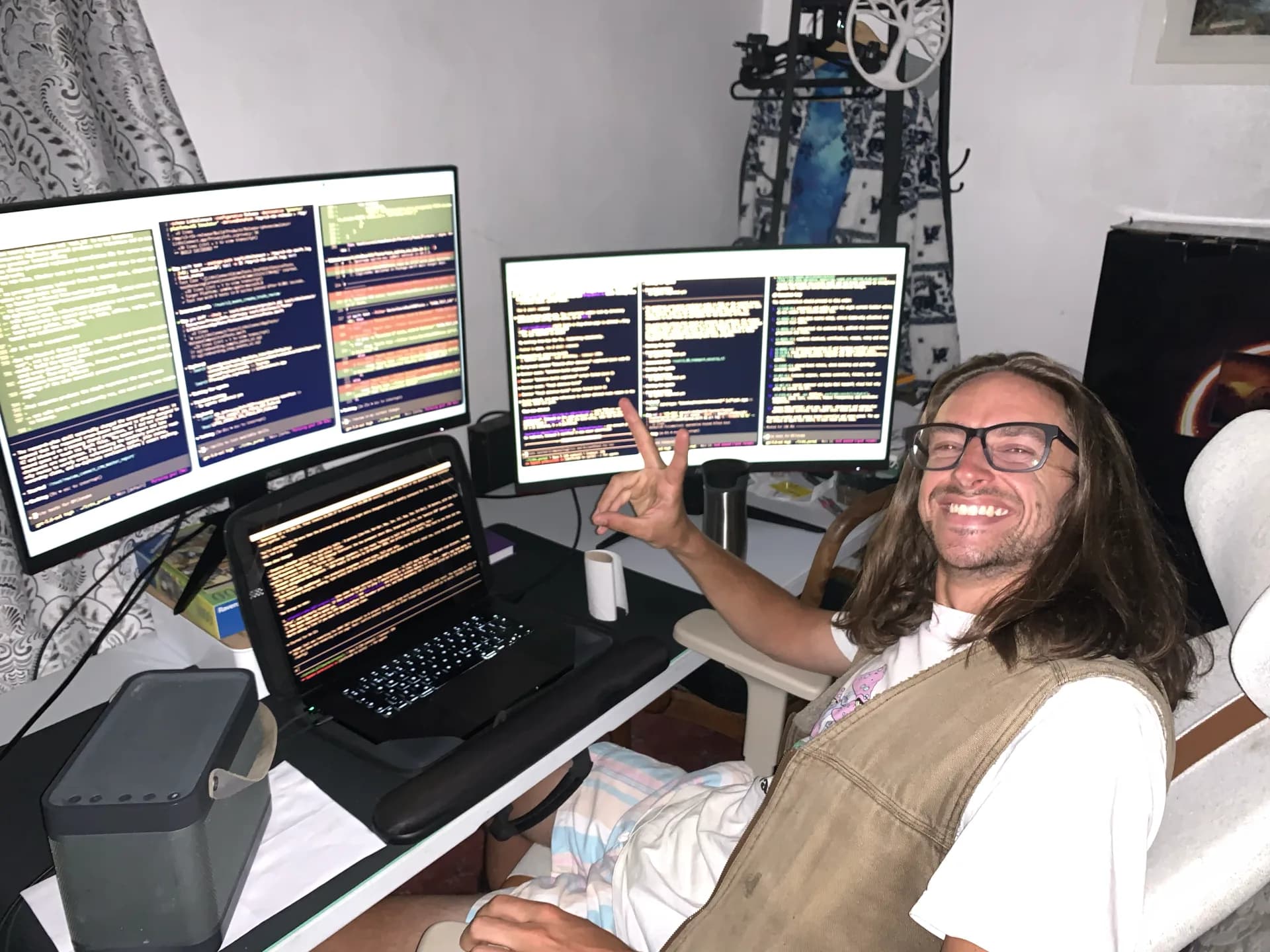
Back in the glory days of unlimited token usage, Ollie ran hundreds of Claude Code agents in parallel. They generated 1.2 million lines of code in one hour. Not all of it worked, but we kept experimenting.
Growing the community
We wanted people to see Lithi for themselves and ask questions face-to-face. At a Community Hour, Connectors introduce friends, neighbors and local businesses to Lithi over coffee.We built tools to help with the organizing: event listings, posters, invitations and social posts for the Connector to review before sharing. An SMS assistant also answers questions sent to the Connector’s Lithi number and introduces itself as their assistant.
The cost problem
Our tests estimated more than $250 a month in cloud AI costs for one Connector using the tools at full capacity. Multiply that by thousands of Connectors, and the numbers just didn’t work. Back to the drawing board!We started running local AI models on the Macs we already owned and built software to make them work together.
The result
The Macs running our own tools became the foundation of the network. We kept improving how the software shared work, protected data and checked results.That work became Lithi Compute, for businesses with AI work to do, and Lithi Connect, for the people helping power and grow the network.
A job can be shared across several Macs. Each handles a part, and Lithi checks the results before bringing them together.
Lithi divides one job among several Macs. Each Mac reads and works on its assigned input. Lithi checks the results and brings them together.
Work in

Participating Macs
Send them the story by email, WhatsApp or text.
Want the technical detail?